Tuesday, 22 February 2011
Sunday, 20 February 2011
Soundtrack
For my film opening I will need a original piece of music, royalty free. Therefore I have chosen to work in tandem with my brother, Sam Baker, who's an undergraduate Music Technology student, to create a track to go with my film.
I'm looking for something upbeat, and that goes from a quiet to loud, sort of piece. I think this would be affective as I'm not planning on having any music until the realisation that the 2 robbers are at a party sets in. It would then build up until they're running down the street, away from the house.
Saturday, 19 February 2011
Location
I was thinking about possible locations for my film opening. What I am initially looking for is your standard family home, with a relatively large lounge, that would be big enough to host some sort of surprise party. I also would need a lounge with at least 2 entrances to it, one for the burglars to come in through, and the other for the victim of the suprise party to come in through.
It could however work if there was only one entrance, but the positions of the characters would have to be slightly different and i would generally prefer there to be 2 entrances.
I have gone around some possible locations for my film opening. Below are some of the images I took for location research. The 3 locations I researched are all photographed below and they were; My house, a friend in the same village, and a friend living in Wymondham.


This picture on the left is of my lounge. It is too small for what I was looking for, with only one usable entrance. There is also no central light, only lamps so I wouldn't have been able to switch all of the lights on at once. It also has a wooden floor and I would prefer a carpeted floor for my film opening.
The roads leading away from my house are not lit, and so would be hard to film, and I was also looking for a street with street lamps.
This picture is of my friend Amy's house. She lives at the other end of the village. I think her lounge would have been ideal as it is large, carpeted with 2 entrances to it that would've worked well with the entrances of the characters.
I do however feel that the outside setting wouldn't be too great as, like my house, the road is not lit by street lamps. However, there is an alley at the end of the road which would have been a good location for them to run down.
My third and final location was my friend Frankie's house in Wymondham.
On the left are a series of photographs I took.
Her living room has 2 entrances and is rather how I envisioned it. It's a proper family home, carpeted and with a bright central light, unlike my house.
The 2 entrances available are far enough apart to create decent spacing of the characters.
I really like how the entrance through which Tilly's character (the birthday girl) will come through is in between the burglars' entrance and where the surprise party-goers will be standing.
This will help to enhance the confusion of Tilly's character, with her looking back and forth between the two groups of people.
This is the outside of Frankie's house.
It is a typical looking family home which helps to set the scene.
This is the road which Frankie's house is on.
As you can see, the street is lit by street lamps which is exactly what I was looking for.
This is the back garden to Frankie's house.
This is where Kat and Sam will be breaking in through, giving them plenty of indoor space for them to enter through as the living room is pretty much on the other side of the house, not that the viewers would know.
After looking through my research, it is pretty clear that Frankie's house is the best location for my film opening to be filmed at. This is because the general vibe of the house is a family home. The lighting is exactly how I want it, with a central light in the lounge and street lamps lighting up the road.
It could however work if there was only one entrance, but the positions of the characters would have to be slightly different and i would generally prefer there to be 2 entrances.
I have gone around some possible locations for my film opening. Below are some of the images I took for location research. The 3 locations I researched are all photographed below and they were; My house, a friend in the same village, and a friend living in Wymondham.
The roads leading away from my house are not lit, and so would be hard to film, and I was also looking for a street with street lamps.
My third and final location was my friend Frankie's house in Wymondham.
On the left are a series of photographs I took.
Her living room has 2 entrances and is rather how I envisioned it. It's a proper family home, carpeted and with a bright central light, unlike my house.
The 2 entrances available are far enough apart to create decent spacing of the characters.
I really like how the entrance through which Tilly's character (the birthday girl) will come through is in between the burglars' entrance and where the surprise party-goers will be standing.
This will help to enhance the confusion of Tilly's character, with her looking back and forth between the two groups of people.
This is the outside of Frankie's house.
It is a typical looking family home which helps to set the scene.
As you can see, the street is lit by street lamps which is exactly what I was looking for.
This is the back garden to Frankie's house.
This is where Kat and Sam will be breaking in through, giving them plenty of indoor space for them to enter through as the living room is pretty much on the other side of the house, not that the viewers would know.
After looking through my research, it is pretty clear that Frankie's house is the best location for my film opening to be filmed at. This is because the general vibe of the house is a family home. The lighting is exactly how I want it, with a central light in the lounge and street lamps lighting up the road.
Saturday, 12 February 2011
Audience Research
Today we went around and interviewed a number of people on their opinions of films and openings. We asked a range of people from 16 to 58, both male and female. The majority of people that we interviewed didn't want to be videoed, so we settled on just a voice recording of their responses.
The video of the audience research is below.
Audience Research from Jessica Baker on Vimeo.
The video of the audience research is below.
Audience Research from Jessica Baker on Vimeo.
Tuesday, 8 February 2011
Genre
Genre is the French word for "type/kind" and can be used across a wide range of media to categorise types of forms. In film, there are a large number of different varieties genres that certain stories being portrayed in a film can be categorised under.
I definitely feel that my film is a comedy. In particular, a British comedy with particularly quirky characters and plot. Influences for the genre include films like Hot Fuzz and Shaun of the Dead, but without all of the blood and gore.
Saturday, 5 February 2011
Actors
For my film opening, I have considered who I would have as my actors, if I could.
For one of the 2 main characters; Sam, I'd have an actor the likes of Jack O'Connell. He became most famous for his portrayal of James Cook in the TV series Skins. I feel that he'd fit the part of Sam quite well, as he is of the right age, British and could fit the part of a burglar very well. I however feel that maybe he might be a big too "thug-looking" to portray the sweeter side of Sam.
I therefore feel that an actor like Elliott Tittensor, from Shameless, would be more suiting to the role. Whilst being the same age and British (like Jack O'Connell) he seems a bit softer and less rugged. So if I was casting whoever I wanted for the role of Sam, I would chose Elliott Tittensor.
For the role of Kat, I'd pick an actress like Kathryn Prescott, also from Skins. This is because she is of the correct age range and nationality. I feel that she'd be able to portray the role of a rather controlling burglar, things always having to go her way.
I like the fact that if I was to use Kathryn, the contrast between her seemingly sweet and adorable face and quite spiteful personality makes her character more likeable than if she was nasty and not-so-adorable.
For the character of Joel, I'd cast an actor like John Malkovich. He has this look about him that just says "I'm in charge".
He is only a few years over my character's age, so would fit the bill.
For the character of Bridget, I'd cast Emma Watson. She is of the correct age, British and someone that many guys seem to fancy and so would fit the role of Bridget very well.
She is someone that I feel would be Sam's desirable woman, and someone that he's been in love with for a while, but he's too intimidated by her to tell her. She has something quite mysterious about her which I think would be perfect for Bridget.
For the role of Rosie, I would cast Anna Popplewell. She played the role of Susan in the Chronicles of Narnia and I feel that she'd portray the innocence of Rosie really well. She fits the age range and is also British.
For one of the 2 main characters; Sam, I'd have an actor the likes of Jack O'Connell. He became most famous for his portrayal of James Cook in the TV series Skins. I feel that he'd fit the part of Sam quite well, as he is of the right age, British and could fit the part of a burglar very well. I however feel that maybe he might be a big too "thug-looking" to portray the sweeter side of Sam.
I therefore feel that an actor like Elliott Tittensor, from Shameless, would be more suiting to the role. Whilst being the same age and British (like Jack O'Connell) he seems a bit softer and less rugged. So if I was casting whoever I wanted for the role of Sam, I would chose Elliott Tittensor.
For the role of Kat, I'd pick an actress like Kathryn Prescott, also from Skins. This is because she is of the correct age range and nationality. I feel that she'd be able to portray the role of a rather controlling burglar, things always having to go her way.
I like the fact that if I was to use Kathryn, the contrast between her seemingly sweet and adorable face and quite spiteful personality makes her character more likeable than if she was nasty and not-so-adorable.
For the character of Joel, I'd cast an actor like John Malkovich. He has this look about him that just says "I'm in charge".
He is only a few years over my character's age, so would fit the bill.
For the character of Bridget, I'd cast Emma Watson. She is of the correct age, British and someone that many guys seem to fancy and so would fit the role of Bridget very well.
She is someone that I feel would be Sam's desirable woman, and someone that he's been in love with for a while, but he's too intimidated by her to tell her. She has something quite mysterious about her which I think would be perfect for Bridget.
For the role of Rosie, I would cast Anna Popplewell. She played the role of Susan in the Chronicles of Narnia and I feel that she'd portray the innocence of Rosie really well. She fits the age range and is also British.
Wednesday, 2 February 2011
Fourth Wall
The Fourth Wall is an imaginary wall, defined as "the screen in front of you".
It's the line between you and the story.
If someone was to break the fourth wall, it would be them stepping out of their fictional world and talk directly at the audience.
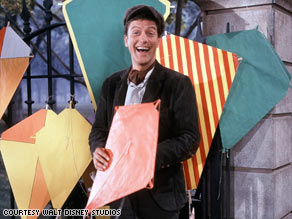
There are a number of films that break the fourth wall, including; Ferris Bueller's Day Off, Alfie and Mary Poppins.
It's the line between you and the story.
If someone was to break the fourth wall, it would be them stepping out of their fictional world and talk directly at the audience.
Tuesday, 1 February 2011
Narrative
Narrative is the art of storytelling.
When you sit down to watch a film, the narrative structure helps to define the story. It needs to be structured to help the viewer understand the message contained within, giving the film meaning throughout.
However you need to keep in mind that the narrative structure only applies to the way in which the story is told and not the story itself... meaning the structure is the chronological stages or steps that progress from one to the other throughout the story.
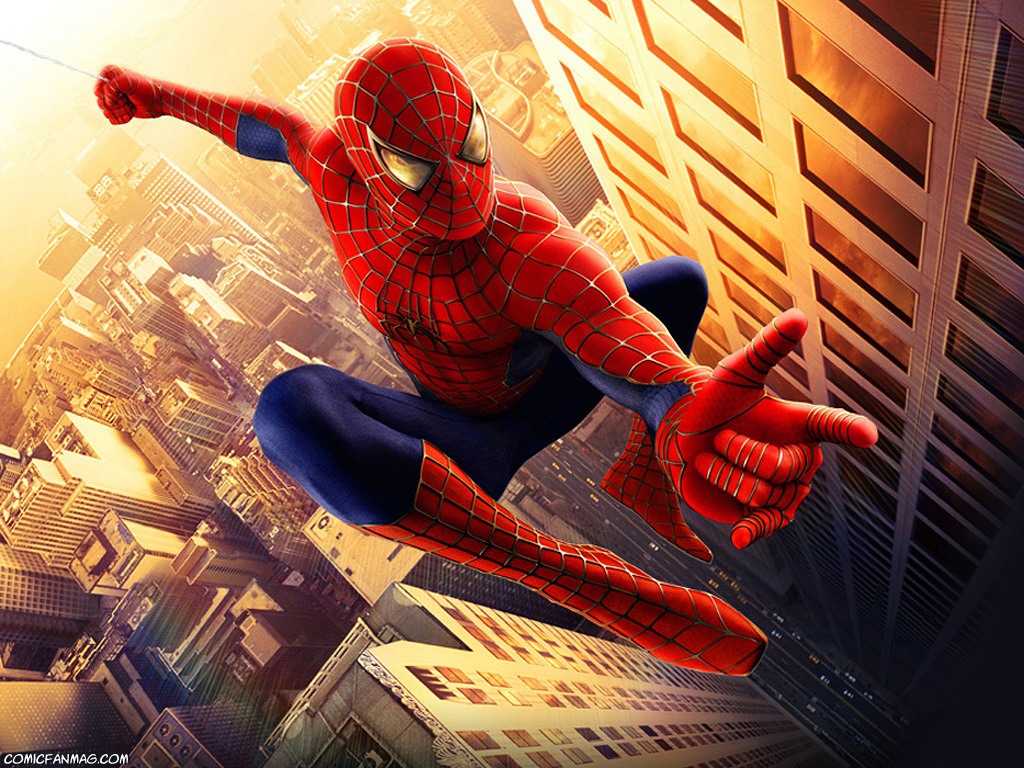
Using Spiderman and Memento as examples of differences in film narrative, Spiderman is told chronologically, from A to Z - straight through.
However in a film like Memento, the narrative is all jumbled up and irregular. Instead of going from A to Z, it chops and changes how far through the story it is, creating an effect that leaves the audience in as much of the dark as the main character of the film, about what's going on.
I have decided to use chronological narrative in my film as I have chosen to do a comedy, which is light-hearted and I feel that if I jumped the story all over the shot, then it could take away the humour of the film, if the audience had to concentrate too much on what time they were in.
When you sit down to watch a film, the narrative structure helps to define the story. It needs to be structured to help the viewer understand the message contained within, giving the film meaning throughout.
However you need to keep in mind that the narrative structure only applies to the way in which the story is told and not the story itself... meaning the structure is the chronological stages or steps that progress from one to the other throughout the story.
Using Spiderman and Memento as examples of differences in film narrative, Spiderman is told chronologically, from A to Z - straight through. However in a film like Memento, the narrative is all jumbled up and irregular. Instead of going from A to Z, it chops and changes how far through the story it is, creating an effect that leaves the audience in as much of the dark as the main character of the film, about what's going on.
I have decided to use chronological narrative in my film as I have chosen to do a comedy, which is light-hearted and I feel that if I jumped the story all over the shot, then it could take away the humour of the film, if the audience had to concentrate too much on what time they were in.
Saturday, 29 January 2011
Further Thoughts and New Film Synopsis
After the film pitch and the review I got from it, i realised that I wasn't confident in the idea I had come up with.
I feel that the main issue was that I didn't have an actor fitting to the way I pictured my main character. I had written him as a 35 year old man and I needed him to be willing to smoke. I know very few people in their 30s as many of my friends and family are either my age, or my parents age (over 40). All of the people that I know in their 30s don't smoke and wouldn't be very keen on being filmed.
Therefore, I decided to rethink my idea. Totally change my story, genre, etc.
I had a sort of "Plan B" story in my head, but I felt like it was an easy way to go, but that is only because the idea wasn't as intellectual as I felt that my first film opening idea had.
My new idea is a comedy about 2 crooks that are essentially rubbish at being burglars.
SYNOPSIS
SAM (20) and Kat(19) are 2 average people that are in the thieving "business". They are employed by JOEL (52) who is the best in the business and has taught everything he knows to his beautiful daughter, BRIDGET (21). Joel constantly gives Sam and Kat a hard time, always calling them pathetic, and it really riles Kat up as she is adamant on becoming the best crook in Britain.
Sam, however isn't too bothered about becoming the best. He is in love with Bridget, yet has never really talked to her. He feels that by stealing something really worthy, then Bridget will notice him and may even talk to her, whilst Kat feels that if she steals something worthy, then she will be deemed the best thief in Britain.
However, it's really not as easy as they had hoped. They think that they are more skillful than they actually are, and so always find themselves in a spot of bother. Things take a turn for the worse when they plan on stealing The Orb (part of the crown jewels of the UK).
Things go from bad to worse as unexpected things happen. Kat and Sam hadn't expected Buckingham Palace to be so busy, and had in fact planned to burgle the palace over the royal wedding. They eventually give up, and make their escape. As they're running down the road, Sam bumps into, and knocks over, a girl ROSIE (20). Before she can even accumulate any words, Sam is apologising, getting up, helping her and and running off down the road, turning for one last look before he disappears out of sight. Rosie dismisses it and carries on.
When they make it to their "hideout", Kat gets frustrated and talks about what a waste that was, and why they came up with such a stupid idea. Sam reveals that he did in fact steal something from Buckingham Palace, albeit the Queen's reading glasses.
The next couple of weeks carry on as normal except Sam bumped into Rosie at the supermarket and asked her out on a date. they had a lovely evening down at the local bar, but being the shy person that he is, nothing happened (no goodnight kiss).
Joel carries on setting them easy jobs that Kat and Sam only just manage to pull it off without getting caught. They're breaking into another flat when the lights turn on and Rosie is there. The pair had broken into her flat and she had just gotten in from a night shift. Utterly dumbfounded, she screams at them to get out, as Sam tries to apologise. Bridget notices she isn't getting the same attention she once was, and attempts to flirt with Sam, but he's just not interested. He tells her so.
A few days pass and Sam goes back to the same supermarket where he, again, bumps into Rosie and apologises profusely. She walks away. He then spends the rest of the afternoon moping, and Kat tells him to "suck it up" and "sort it out before it's too late". Sam then decides to go all over London, knocking on all doors belonging to a "Rosie" using any information he can gather. After many unsuccessful attempts, he admits defeat. He starts heading back for his flat when someone comes out of their door, carrying their trash. Low and behold, it's Rosie. They stop in the street and stare at each other, but rosie breaks the gaze as she throws her trash in the dustbin, and heads back to her building. Before she can get inside, Sam stops her. he continues to apologise. She then tells him how "it can't work", "how can she trust him" as he broke into her house.
Sam then takes a chance to explain things to her, about how he didn't know he was breaking into her flat, and that he hasn't stopped thinking about her since he bumped into her on that first night and that he might even be falling in love with her, which is crazy as they barely even know each other. At this declaration, Rosie throws her arms around his neck and falls into a passionate kiss. When they break apart, she tells him how there are obviously trust issues, and that some things may need to change, but they can give it a go.
The film ends a few months on, where it becomes a major "thing" that the Queen's reading glasses have in fact been stolen, and are not just missing. Sam allows Kat to take the credit, and she feels as though it is her finest hour. She still hasn't "overthrown" Joel, but she is far more respected than she once was.
Sam is shown in a very "burglar-like" situation, which turns out to be totally innocent, and we find out that he has given his days up as a crook and is in fact training to be a police officer (as he never was officially convicted with anything serious). He and Rosie are happily in love. THE END.
I feel that the main issue was that I didn't have an actor fitting to the way I pictured my main character. I had written him as a 35 year old man and I needed him to be willing to smoke. I know very few people in their 30s as many of my friends and family are either my age, or my parents age (over 40). All of the people that I know in their 30s don't smoke and wouldn't be very keen on being filmed.
Therefore, I decided to rethink my idea. Totally change my story, genre, etc.
I had a sort of "Plan B" story in my head, but I felt like it was an easy way to go, but that is only because the idea wasn't as intellectual as I felt that my first film opening idea had.
My new idea is a comedy about 2 crooks that are essentially rubbish at being burglars.
SYNOPSIS
SAM (20) and Kat(19) are 2 average people that are in the thieving "business". They are employed by JOEL (52) who is the best in the business and has taught everything he knows to his beautiful daughter, BRIDGET (21). Joel constantly gives Sam and Kat a hard time, always calling them pathetic, and it really riles Kat up as she is adamant on becoming the best crook in Britain.
Sam, however isn't too bothered about becoming the best. He is in love with Bridget, yet has never really talked to her. He feels that by stealing something really worthy, then Bridget will notice him and may even talk to her, whilst Kat feels that if she steals something worthy, then she will be deemed the best thief in Britain.
However, it's really not as easy as they had hoped. They think that they are more skillful than they actually are, and so always find themselves in a spot of bother. Things take a turn for the worse when they plan on stealing The Orb (part of the crown jewels of the UK).
Things go from bad to worse as unexpected things happen. Kat and Sam hadn't expected Buckingham Palace to be so busy, and had in fact planned to burgle the palace over the royal wedding. They eventually give up, and make their escape. As they're running down the road, Sam bumps into, and knocks over, a girl ROSIE (20). Before she can even accumulate any words, Sam is apologising, getting up, helping her and and running off down the road, turning for one last look before he disappears out of sight. Rosie dismisses it and carries on.
When they make it to their "hideout", Kat gets frustrated and talks about what a waste that was, and why they came up with such a stupid idea. Sam reveals that he did in fact steal something from Buckingham Palace, albeit the Queen's reading glasses.
The next couple of weeks carry on as normal except Sam bumped into Rosie at the supermarket and asked her out on a date. they had a lovely evening down at the local bar, but being the shy person that he is, nothing happened (no goodnight kiss).
Joel carries on setting them easy jobs that Kat and Sam only just manage to pull it off without getting caught. They're breaking into another flat when the lights turn on and Rosie is there. The pair had broken into her flat and she had just gotten in from a night shift. Utterly dumbfounded, she screams at them to get out, as Sam tries to apologise. Bridget notices she isn't getting the same attention she once was, and attempts to flirt with Sam, but he's just not interested. He tells her so.
A few days pass and Sam goes back to the same supermarket where he, again, bumps into Rosie and apologises profusely. She walks away. He then spends the rest of the afternoon moping, and Kat tells him to "suck it up" and "sort it out before it's too late". Sam then decides to go all over London, knocking on all doors belonging to a "Rosie" using any information he can gather. After many unsuccessful attempts, he admits defeat. He starts heading back for his flat when someone comes out of their door, carrying their trash. Low and behold, it's Rosie. They stop in the street and stare at each other, but rosie breaks the gaze as she throws her trash in the dustbin, and heads back to her building. Before she can get inside, Sam stops her. he continues to apologise. She then tells him how "it can't work", "how can she trust him" as he broke into her house.
Sam then takes a chance to explain things to her, about how he didn't know he was breaking into her flat, and that he hasn't stopped thinking about her since he bumped into her on that first night and that he might even be falling in love with her, which is crazy as they barely even know each other. At this declaration, Rosie throws her arms around his neck and falls into a passionate kiss. When they break apart, she tells him how there are obviously trust issues, and that some things may need to change, but they can give it a go.
The film ends a few months on, where it becomes a major "thing" that the Queen's reading glasses have in fact been stolen, and are not just missing. Sam allows Kat to take the credit, and she feels as though it is her finest hour. She still hasn't "overthrown" Joel, but she is far more respected than she once was.
Sam is shown in a very "burglar-like" situation, which turns out to be totally innocent, and we find out that he has given his days up as a crook and is in fact training to be a police officer (as he never was officially convicted with anything serious). He and Rosie are happily in love. THE END.
After Pitch Review
GOOD
The pitch has really opened my eyes about my idea for a film opening. I reall need to do plenty of audience research so I can get an understanding of who would watch my film. What age range, what class, etc.
I realise that my pitch wasn't very good as I wasn't extremely confident in my idea, and because of this, my entire pitch wasn't as good as it could have been. I think I need to set on a particular idea, as I keep on chopping and changing, or "improving" my idea.
- Idea for thew opening 2 minutes sounds fairly good.
- Not such a great pitch, due to lack of confidence in the idea.
- No eye contact, no detail.
- Needed visuals.
- Needed to mention any audience research and understand who my film is aimed at.
The pitch has really opened my eyes about my idea for a film opening. I reall need to do plenty of audience research so I can get an understanding of who would watch my film. What age range, what class, etc.
I realise that my pitch wasn't very good as I wasn't extremely confident in my idea, and because of this, my entire pitch wasn't as good as it could have been. I think I need to set on a particular idea, as I keep on chopping and changing, or "improving" my idea.
Friday, 28 January 2011
Film Synopsis.
Working title: "The Domino Effect"
The film opens. THOMAS RYDER (35) smokes his cigarette. He tells us about his life before this year - about his wife and job, etc in short, sharp sentences. During his monologue, we see rapid shots of his life from more recent times, times that he is not describing. He tells us about how something small can have a domino effect and can end badly. At this point, he flicks one end of a domino run and the titles ("The Domino Effect") are shown.
Monday, 24 January 2011
Film Opening Idea. "The Domino Effect"
I've been thinking more about what my film could be about. I wanted to do a more serious film, as opposed to comic or horror. Possibly something to do with "cons" or perhaps something with a bit of mystery, for older audiences. Not so much a thriller, or a hostage taking, like a lot of the examples I've seen are about.
I came up with the idea of having someone talking (I have written a possible monologue, but am still working on it) but not seeing their entire face, just from a small proportion of the neck, to about half way up the nose. This person would be smoking a cigarette and would be talking about his life which would then lead onto what's changed, but keeping the audience hanging.
I watched "Requiem For A Dream" yesterday and I really liked the effect that they repeatedly used when character/s where taking drugs (RAPID CUTTING). It was a rapid concession of images of what was going on that gave the audience an idea of what the character had just done.
Requiem For A Dream - Drugs from Jessica Baker on Vimeo.
I thought I could use this idea, and incorporate it into my film opening.
I came up with the idea of having someone talking (I have written a possible monologue, but am still working on it) but not seeing their entire face, just from a small proportion of the neck, to about half way up the nose. This person would be smoking a cigarette and would be talking about his life which would then lead onto what's changed, but keeping the audience hanging.
Requiem For A Dream - Drugs from Jessica Baker on Vimeo.
I thought I could use this idea, and incorporate it into my film opening.
I also came up with the idea that when the character finishes his(?) monologue, they would then flick a domino run which would then run off the table, with a single domino landing face down on the camera, whilst the rest still lay on the table.
Tuesday, 18 January 2011
My Idea for a Film Opening
I've been thinking about what would make a good opening scene/sequence to my film. I watched a few for inspiration.
- I really liked how in Iron Man, it's army vehicles driving through the desert and then suddenly AC/DC is playing.
- I also like how in The Hangover, the shots of the wedding being preparation sets the scene a bit and then the bride gets the phone call and you get the suspense of "where is Doug?"
- In Billy Elliot, the opening is him putting a record on (which helps to demonstrate which era the film is set) and then it's just this 12 year old boy bouncing on his bed, doing all sorts of moves whilst names and titles come up.
An initial idea of mine was for something gripping and action-y but then after watching other students' work from past years, I noticed that it really seemed to be the "easy" way out. So many of the film openings were made to create tension and suspense as action came out straight away in a way that made the audience think "What's going on?... I need to know why this is all happening." Which, in reason, creates a good opening scene as it immediately gets the viewers attention (like James Bond films for example) but then I realised that I really needed to get away from what others are doing and create something more unique.
This is when I started looking more at opening sequences as opposed to scenes. By this I mean doing something that wasn't necessarily part of the film like an action scene, or a getting ready scene, but more of a way to slowly bring the audience in, especially as I am aiming at an older audience rather than 15 - 24.
- Naepoleon Dynamite
- Amelie
- Catch Me If You Can
I was looking at some university websites and the media courses provided when I came across one which showed some of the final projects. One of them really caught my attention. It was all about cinematography and was just a short video of numerous things sped up or in slow motion (namely clouds, sunsets and people). It immediately caught my attention and since I saw it, I've been thinking about all sorts of things I could film in slow motion to form a sequence for my film opening. I feel this idea would pay off as a film opening as it is something that people may want to see. I thought I could film things that normally people would see so fast that when it's slowed down, then it becomes a much more interesting thing to watch.
After the sequence of certain things being filmed in slow motion, it could then, possibly, speed up to normal speed at somewhere like a train station or something else that's busy. The title of the film could possibly be something along the lines of "Slow Motion" so that the opening sequence isn't totally irrelevant to the film. The credits would be able to come up throughout the sequence and the music as well.
The audience I think I'm aiming my film opening at is for older people, perhaps 35+ as it has a more intellectual feel to it, but also has an engrossing factor about it that younger people may enjoy.
I don't necessarily think there needs to be set actors in the opening sequence, except for maybe nearer the end of the sequence where the filming comes back to normal speed and the protagonist is introduced. I'm not entirely sure what the synopsis of the film would be or even what genre, probably a drama or even something remotely comedy. I feel my title opening idea allows me to play around with what sort of film it could be the opening to.


Saturday, 15 January 2011
Initial research into film openings
I've been making a note of some film openings of movies that I have watched recently.
One of my favourite openings that I watched is the opening to Shrek. Shrek is a childrens' animation film. The film opens by making fun of the "Disney Fairytale" storybook method. This is done by having Shrek tear a page out and use it as toilet paper.
The opening credits are seen around Shrek as he starts his day: the film's title and Mike Myers's name appear in the mud Shrek bathes with. When Shrek breaks the mirror with his smile, Eddie Murphy's name can be seen behind it. Cameron Diaz's name forms out of pond-scum and when Shrek lifts up a snail, its larvae form John Lithgow's name before dissolving.
I love the opening to Juno. Juno is a comedy film, aimed more towards teenagers.
It introduces the 2 main characters and sets the story up for what the rest of the film is about. It then goes onto the opening credits of the film, which are of Juno walking around her home town, in a hand drawn picture. I found it a really effective opening.
The credits appear throughout her journey around the town. the whole time she's drinking a large bottle of Sunny D.
Sherlock Holmes is a The opening to the new Sherlock Holmes movie with Robert Downey Jr. were very good. It went straight into the action, of a man running down the street with rapid cuts between the unknown man and a horse drawn carriage that is travelling very fast also.
This leaves the audience in the dark, and makes them wonder what this man is running away from, what the carriage is chasing him for. It straight away sets the era of the film, with horse and carriage, what costume the audience can see and the mass use of cobbled streets. I really enjoyed the film as it kept me guessing the whole time.
Another opening that I watched, a rather simple one, is the opening to The Sound of Music. The Sound of Music is a musical from the 1960s set in Austria during World War II.
It opens with Julie Andrews' character, Maria, atop of a hill, singing a song, one that fits with the film.
It is a very recognisable opening, one that I found myself knowing, even before I had watched the film.
Another film that I watched recently was The Notebook. It is a romantic drama set in the 1930s.
This is quite possibly one of the simplest openings to a film that I have seen.
It is simply a boat, on a lake at sunset with a piano melody playing overtop. After a while it gets quite tedious, but it fits extremely well with the film. The lake is later referenced in the film.
One of my favourite openings that I watched is the opening to Shrek. Shrek is a childrens' animation film. The film opens by making fun of the "Disney Fairytale" storybook method. This is done by having Shrek tear a page out and use it as toilet paper.
The opening credits are seen around Shrek as he starts his day: the film's title and Mike Myers's name appear in the mud Shrek bathes with. When Shrek breaks the mirror with his smile, Eddie Murphy's name can be seen behind it. Cameron Diaz's name forms out of pond-scum and when Shrek lifts up a snail, its larvae form John Lithgow's name before dissolving.
I love the opening to Juno. Juno is a comedy film, aimed more towards teenagers.
It introduces the 2 main characters and sets the story up for what the rest of the film is about. It then goes onto the opening credits of the film, which are of Juno walking around her home town, in a hand drawn picture. I found it a really effective opening.
The credits appear throughout her journey around the town. the whole time she's drinking a large bottle of Sunny D.
Sherlock Holmes is a The opening to the new Sherlock Holmes movie with Robert Downey Jr. were very good. It went straight into the action, of a man running down the street with rapid cuts between the unknown man and a horse drawn carriage that is travelling very fast also.
This leaves the audience in the dark, and makes them wonder what this man is running away from, what the carriage is chasing him for. It straight away sets the era of the film, with horse and carriage, what costume the audience can see and the mass use of cobbled streets. I really enjoyed the film as it kept me guessing the whole time.
Another opening that I watched, a rather simple one, is the opening to The Sound of Music. The Sound of Music is a musical from the 1960s set in Austria during World War II.
It opens with Julie Andrews' character, Maria, atop of a hill, singing a song, one that fits with the film.
It is a very recognisable opening, one that I found myself knowing, even before I had watched the film.
Another film that I watched recently was The Notebook. It is a romantic drama set in the 1930s.
This is quite possibly one of the simplest openings to a film that I have seen.
It is simply a boat, on a lake at sunset with a piano melody playing overtop. After a while it gets quite tedious, but it fits extremely well with the film. The lake is later referenced in the film.
Thursday, 13 January 2011
Ideas for film opening
Must have/be:
- Good credits/productions names, etc.
- Good sound and picture quality.
- Fitting music, that's in time and that flows.
- Good actors of all ages.
- No continuity errors.
- Setting that fits the actual movie, and not the easy option. Go out of our way to make it and not stick to our comfort zone.
- Make it like a opening sequence to a film and NOT a trailer.
Tuesday, 11 January 2011
Time Warner's takeover of British publisher IPC media has given the NME brand a new lease of life. Discuss.
NME originated as a weekly magazine about up and coming rock music that was sold only in Britain. However, when IPC (the publishing company responsible for foundation of NME) was bought by American company, Time Warner the expansion of the NME brand began with plans of extending the brand to the US.
NME is already available in the US via the internet in the form of a digital magazine, and NME.com (which is the USA's thrid most popular website). Plans to launch of two clubs; "Club NME NYC" and "Club NME LA" like those that NME has already launched over the UK and the rest of Europe, with live msuci from new and upcoming bands which make popular live events.
Time Warner's takeover of NME allows for them have enough finances for them to extend and try out new things, like opening clubs around the world, etc. This financial swecurity allows them to really experiment and if it goes well, then they will really reep the benfits. However, if something wasn't to work out, then (even though there's a loss) it wouldn't be such a dilemma as there would still be money for the business to run stabily on.
Time Warner's is a corporation that covers many products of different medias so the potential for advertisement across all multimedia platforms is increased as NME can be advertised in other magazines, or by products produced by Warner Bros Studio for example.
The takeover of IPC by Time Warner's will undoubtedly change NME, but will bring profits as the audience is bound to become much wider.
(UNFINISHED... sorry, I could definately do more on this. Especially on individuality and stuff, my brain is just dead today.)
NME is already available in the US via the internet in the form of a digital magazine, and NME.com (which is the USA's thrid most popular website). Plans to launch of two clubs; "Club NME NYC" and "Club NME LA" like those that NME has already launched over the UK and the rest of Europe, with live msuci from new and upcoming bands which make popular live events.
Time Warner's takeover of NME allows for them have enough finances for them to extend and try out new things, like opening clubs around the world, etc. This financial swecurity allows them to really experiment and if it goes well, then they will really reep the benfits. However, if something wasn't to work out, then (even though there's a loss) it wouldn't be such a dilemma as there would still be money for the business to run stabily on.
Time Warner's is a corporation that covers many products of different medias so the potential for advertisement across all multimedia platforms is increased as NME can be advertised in other magazines, or by products produced by Warner Bros Studio for example.
The takeover of IPC by Time Warner's will undoubtedly change NME, but will bring profits as the audience is bound to become much wider.
(UNFINISHED... sorry, I could definately do more on this. Especially on individuality and stuff, my brain is just dead today.)
Tuesday, 14 December 2010
How does the NME website address its audience?
The format of the home page is aimed towards young adults as it's too formal for children, but as there's lots going on, it makes it have a younger feel to it. You can tell the genre of music that the website mainly covers, based on the latest news stories. For instance today, Biffy Clyro is the main news story topic.
The advertisements for tickets are for Kings of Leon and Foo Fighters. So far, all the audience has seen are bands in a similar genre to another, helping to emphasise the overall music that is covered online and in the magazine.
With easy navigation bars and quick links to articles, NME's website is addressing the audience in a way that makes it easy to use and highly accessible.
The advertisements for tickets are for Kings of Leon and Foo Fighters. So far, all the audience has seen are bands in a similar genre to another, helping to emphasise the overall music that is covered online and in the magazine.
With easy navigation bars and quick links to articles, NME's website is addressing the audience in a way that makes it easy to use and highly accessible.
What does the NME website offer it's audience?
The NME website offers its audience many services which include the latest; news, videos, tickets, reviews, photos, movies amongst many other things. The website also allows users to listen to NME radio.
The main aim of the website is to entertain its audience and it does just this by having all sorts under one roof and in one place. Users can shop at the NME Store, look at photos in the galleries and read articles from NME's archive.
NME (The New Musical Express)
- Popular music magazine in the UK.
Published weekly since 7th March 1952.- Initially non-glossy.
- It created the first UK Singles Chart.
1960
- NME sales were healthy with the paper selling approximately 200,000 per week.
- Tense rivalry between NME and fellow weekly music paper, Melody Maker.
1970
- NME lost its ground to Melody Maker as its music coverage failed to keep up.
- Nearly closed down in 1972 after sales fell to 60,000.
- Alan Smith was made editor and aimed to turn the magazine around by making it; smarter, hipper, more cynical and funnier than any other like it in Britain.
- By mid-1973, when Smith handed the editorial position back, the paper was selling almost 300,000 copies a week, beating its rivals.
- In 1976, it was felt that younger people were needed, so they employed Tony Parsons and Julie Burchill.
- The young pair knew all about the new Punk age and created a new tone for the paper.
- In the late 1970's , the paper covered some things other than music, such as politics - especially youth-orientated issues.
1980
- NME released a cassette tape in 1981, available via mail order and it featured bands that were featured in the magazine.
- A second tape was released in 1986.
- Sales began dropping and by the mid-1980's, NME were in danger of closing down.
- The paper split into 2, rock and hip-hop. Hip-hop seemed far more popular as it was new to the UK and the paper appeared to readers as if it had no set direction of what it was doing/covering.
1990
- The 1990's saw NME covering new British indie bands.
- By the end of 1990, NME was covering new bands from the U.S. creating a new movement called Grudge. It included bands such as Pearl Jam and Nirvana
- NME took very slowly to grudge but when "Nevermind" became popular,it became highly dominated by American Bands.
- 1991-1993 saw American bands becoming increasingly dominant, but NME didn't ignore British bands.
- 1992 saw NME covering different types or grudge, like heavy grudge.
- After Kurt Cobain died in 1994, the age of Britpop was introduced, with bands like Blur. By the end of 1994, Blur and Oasis were the 2 biggest bands in the UK and thanks to the Britpop effect, NME sales were increasing.
- 1993-1995, Glastonbury held a stage called "NME Stage", now it's known as the "Other Stage".
- As Britpop became the music genre of the 1990's NME saw their sales rise, but Britpop burned itself out, leaving NME directionless again.
- In an attempt to become popular, NME attempted to embrace DJ culture, but was only criticised for not supporting indie or rock music.
- NME sales saw a low point at the turn of the millennium.
2000
- From 21st March 1998 --> Present, NME became tabloid sized with fully glossy and coloured covers.
- Attempting to broaden its coverage, they covered artists like Jay-Z, Missy Elliot, Hear'say and Destiny's Child. This proved unpopular so they stopped.
- In 2002, with new writers, photographers, etc the paper began to increase in sales again.
- In October 2006, NME launched NME Ireland but poor sales resulted in it ending in November, the same year.
- In May 2008, the magazine received a redesign aimed at an older audience - less "poppy".
- In the second half of 2009. the magazine's circulation was down 34,486.47% on a 2003 figure or 74,442.
Tuesday, 16 November 2010
"The magazine industry has survived the coming of digital age because it has been able to exploit technological advances. Indeed it has always done so throughout its long history."
INTRO
Magazines have been around for hundreds of years. Over the past 20 years, the way in which magazines can be read has changed. In 1994, newspapers got put onto the internet and about the same time, some were published onto CD-Roms for use on home computers. Many people in 1994 have bought personal computers as they are new technology that everyone is looking to own.
In 1995, some mainstream magazines got websites on which articles were published. More and more people own computers in 1995, especially in developed countries like UK and USA.
In 2005, digital papers were announced and his led to the closure of certain magazines, but whom carried on with radio and TV channels and by having it online. Technology has rapidly advanced with mobile phones being an item in many people's pockets, rather than the odd person.
By 2007, people were able to download magazines onto their phones and view magazines on YouTube. Some magazines also added features into their magazines that told the reader of online films and podcast. In late 2007, certain magazines created TV channels for example, Nuts TV which is based on the men's magazine. Technology such as mobile phones have advanced, with the addition of music players and cameras now incorporated into the phones.
In 2009 the first iPhone application for magazines was launched. NME was the first magazine to have such an application. By 2010, with the launch of technology such as iPads and the iPod touch, that applications for magazines has become more appealing and so more have been launched.
With technology changing and advancing so much as it has over the past 20 years, it has changed the way in which people read their magazines, although the traditional paper way still proves popular enough to still be printed.
Magazines have been around for hundreds of years. Over the past 20 years, the way in which magazines can be read has changed. In 1994, newspapers got put onto the internet and about the same time, some were published onto CD-Roms for use on home computers. Many people in 1994 have bought personal computers as they are new technology that everyone is looking to own.
In 1995, some mainstream magazines got websites on which articles were published. More and more people own computers in 1995, especially in developed countries like UK and USA.
In 2005, digital papers were announced and his led to the closure of certain magazines, but whom carried on with radio and TV channels and by having it online. Technology has rapidly advanced with mobile phones being an item in many people's pockets, rather than the odd person.
By 2007, people were able to download magazines onto their phones and view magazines on YouTube. Some magazines also added features into their magazines that told the reader of online films and podcast. In late 2007, certain magazines created TV channels for example, Nuts TV which is based on the men's magazine. Technology such as mobile phones have advanced, with the addition of music players and cameras now incorporated into the phones.
In 2009 the first iPhone application for magazines was launched. NME was the first magazine to have such an application. By 2010, with the launch of technology such as iPads and the iPod touch, that applications for magazines has become more appealing and so more have been launched.
With technology changing and advancing so much as it has over the past 20 years, it has changed the way in which people read their magazines, although the traditional paper way still proves popular enough to still be printed.
Monday, 15 November 2010
Preliminary Task
For the preliminary task we have chosen to film the scene in the style of a western film.
Location: Saloon-type doors and corridor, leading into a room/space with two chairs.
Script: (Roland walks through doors to the room where Derek is already sitting, playing with some money and chewing on a toothpick)
ROLAND: (Slams hands on table) You stole my gold.
(Derek looks up and raises eyebrow)
ROLAND: You left your filthy stench on my property. (Bangs fist on table)
DEREK: Well you left your filthy stench on my wife! (Presses up from the table, kicking away the chair behind him)
(The two men stare at each other angrily. Roland turns and leaves, Derek follows, throwing down some money as he leaves).
The video is shown below.
Preliminary Task from Jessica Baker on Vimeo.
Location: Saloon-type doors and corridor, leading into a room/space with two chairs.
Script: (Roland walks through doors to the room where Derek is already sitting, playing with some money and chewing on a toothpick)
ROLAND: (Slams hands on table) You stole my gold.
(Derek looks up and raises eyebrow)
ROLAND: You left your filthy stench on my property. (Bangs fist on table)
DEREK: Well you left your filthy stench on my wife! (Presses up from the table, kicking away the chair behind him)
(The two men stare at each other angrily. Roland turns and leaves, Derek follows, throwing down some money as he leaves).
The video is shown below.
Tuesday, 9 November 2010
Lesson Work 8/11/2010
1.) Why did IPC Media have cause to be optimistic about their business prospects in 2006?
IPC had cause to be optimistic about how their business would pan out in 2006 as they had numerous successful launches of new magazines during the previous year. In early 2005, they released Pick Me Up and TV Easy which collectively had £16 million marketing investments behind them.
2.) According to the article in THE GUARDIAN (Jan 2009) why are the major players in the British magazine industry better placed to weather the economic crisis?
An extract from the guardian article states:
"Large publishers such as IPC Media, Condé Nast and Future Publishing, which have invested in extending their brands into TV, web, mobile, radio or shopping, are more likely to weather the impact than those with standalone products or thinner portfolios of titles. Economies of scale help larger companies to spread costs, and the clout they can wield with suppliers also helps them into more favourable positions. In addition, advertisers are also likely to focus their budgets on key titles. Which could leave free magazines, with their heavy reliance on advertising as the primary source of income, with some real challenges."
3.) Visit the IPC website and choose two contrasting brands. Create a fact file for each brand.
ANGLER'S MAIL FACT FILE
Frequency: Weekly
Circulation: 34,413
Readership: 226,000
Male: 97%
Female: 3%
Average Age: 48
Frequency: Weekly
Circulation: 33,875
Readership: 325,000
Male: 74%
Female: 26%
Average Age: 23
IPC had cause to be optimistic about how their business would pan out in 2006 as they had numerous successful launches of new magazines during the previous year. In early 2005, they released Pick Me Up and TV Easy which collectively had £16 million marketing investments behind them.
2.) According to the article in THE GUARDIAN (Jan 2009) why are the major players in the British magazine industry better placed to weather the economic crisis?
An extract from the guardian article states:
"Large publishers such as IPC Media, Condé Nast and Future Publishing, which have invested in extending their brands into TV, web, mobile, radio or shopping, are more likely to weather the impact than those with standalone products or thinner portfolios of titles. Economies of scale help larger companies to spread costs, and the clout they can wield with suppliers also helps them into more favourable positions. In addition, advertisers are also likely to focus their budgets on key titles. Which could leave free magazines, with their heavy reliance on advertising as the primary source of income, with some real challenges."
3.) Visit the IPC website and choose two contrasting brands. Create a fact file for each brand.
ANGLER'S MAIL FACT FILE
Frequency: Weekly
Circulation: 34,413
Readership: 226,000
Male: 97%
Female: 3%
Average Age: 48
Circulation: 33,875
Readership: 325,000
Male: 74%
Female: 26%
Average Age: 23
Subscribe to:
Posts (Atom)